
Post
Smart Speakers and the Future of Home Entertainment
Jun
Smart Speakers and the Future
Smart Speakers and the Future of Home Entertainment
In less than a decade, smart speakers have evolved from novelty gadgets into central hubs for modern homes. What began as simple voice-controlled assistants capable of answering questions or playing music has transformed into a sophisticated ecosystem connecting televisions, lighting, security systems, appliances, streaming services, and even personal routines. As artificial intelligence, wireless audio, and smart-home technology continue to advance, smart speakers are reshaping the future of home entertainment in profound ways.
This article explores how smart speakers work, why they have become so popular, their impact on music, movies, gaming, and daily life, and what the future of connected home entertainment may look like.

The Rise of Smart Speakers
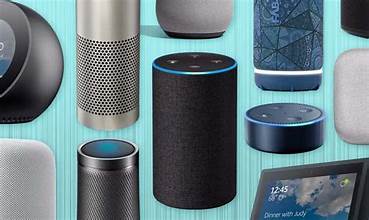
Smart speakers entered the mainstream with devices like Amazon Echo, Google Nest Audio, and Apple HomePod. These products combined three important technologies:
Voice recognition – allowing users to control devices naturally through spoken commands.
Cloud-based artificial intelligence – enabling assistants to process language, learn preferences, and provide personalized responses.
Wireless connectivity – linking speakers to streaming services, smart TVs, phones, and home networks.
The appeal was immediate: users could play music, check the weather, set timers, control lights, and manage calendars without touching a screen. Convenience, affordability, and the growing popularity of streaming services accelerated adoption worldwide.
Today, millions of households use smart speakers daily, and the market continues to expand as devices become more capable and integrated into broader smart-home ecosystems.

How Smart Speakers Work
At the core of every smart speaker is a combination of hardware and software designed to deliver seamless voice interaction.
Key Components
Microphone array: Multiple microphones capture voice commands from across a room while reducing background noise.
Speaker drivers: Built-in drivers produce audio for music, podcasts, and assistant responses.
Wireless modules: Wi-Fi and Bluetooth connect the device to the internet and other gadgets.
Processor and AI software: Local processing handles basic tasks, while cloud servers interpret complex voice commands and provide intelligent responses.
The Voice Command Process
The device continuously listens for a wake word such as “Alexa,” “Hey Google,” or “Siri.”
Once activated, it records the command and sends it securely to cloud servers.
AI systems interpret the request and return an appropriate action or response.
The speaker performs the task, whether playing a song, adjusting the thermostat, or controlling a TV.
This combination of natural language processing and connected services creates an experience that feels intuitive and conversational.

Transforming Music Listening
Music is the most common use for smart speakers, and the technology has dramatically changed how people enjoy audio at home.
Instant Access to Streaming Services
Services like Spotify, Apple Music, YouTube Music, and Amazon Music integrate directly with smart speakers. Users can request songs, albums, playlists, or genres simply by speaking.
Example:
“Play jazz for dinner.”
The speaker instantly curates a playlist, removing the need to browse apps manually.
Multi-Room Audio
One of the most transformative features is synchronized audio across multiple rooms. Homeowners can place speakers in different areas and play the same music throughout the house or different tracks in each room. This creates a seamless listening experience for parties, family gatherings, or everyday living.
Personalized Recommendations
AI-driven assistants learn listening habits over time, offering tailored playlists and suggestions. This personalization mirrors the recommendation systems used by streaming platforms, making music discovery easier and more engaging.
Improved Audio Quality
Early smart speakers prioritized functionality over sound quality, but modern models now include advanced audio technologies such as:
Spatial audio
Adaptive room tuning
Enhanced bass and clarity
High-resolution audio support
Premium smart speakers can now compete with traditional home audio systems, making them attractive to audiophiles as well as casual listeners.
Smart Speakers and Home Theater
Beyond music, smart speakers are becoming integral to home theater systems.
Voice-Controlled TV and Streaming
Users can control smart TVs and streaming devices with voice commands:
“Turn on the TV.”
“Play the latest episode on Netflix.”
“Lower the volume.”
This hands-free control simplifies navigation and reduces reliance on remote controls.
Immersive Surround Sound
Manufacturers are developing ecosystems where multiple smart speakers work together as a surround-sound setup. Wireless rear speakers and subwoofers can create cinematic audio without complex wiring, making home theater installation more accessible.
Smart Automation During Entertainment
Smart speakers can coordinate with lighting and other devices to create immersive scenes. For example, saying “Movie night” might:
Dim the lights
Close smart blinds
Turn on the TV
Launch a streaming app
Adjust speaker settings for surround sound
This level of automation transforms entertainment into a more engaging and effortless experience.
Gaming and Interactive Entertainment
Smart speakers are also influencing gaming and interactive entertainment.
Voice Integration in Gaming
Some gaming platforms and smart assistants allow players to control aspects of games, launch titles, or manage streaming setups through voice commands. This can enhance accessibility and convenience, especially during multiplayer sessions.
Interactive Experiences
Voice-based trivia games, storytelling apps, and educational experiences have created a new category of interactive entertainment. Families can participate in quizzes, adventures, or language-learning activities using only their voices.
Streaming and Content Creation
For streamers and content creators, smart speakers can manage recording equipment, lighting, and schedules through automation, streamlining the production process.
The Smart Home Connection
The true power of smart speakers lies in their role as control centers for connected homes.
Unified Device Control
Smart speakers can manage a wide range of devices:
Smart lights
Thermostats
Security cameras
Door locks
Appliances
Robot vacuums
Instead of using separate apps for each device, users interact with a single voice assistant.
Routines and Automation
Custom routines allow multiple actions to occur with one command. A “Good morning” routine might:
Turn on lights
Read the news
Start a coffee maker
Play a favorite playlist
These automations make homes feel more responsive and personalized.
Energy Efficiency and Convenience
By controlling lighting and climate systems intelligently, smart speakers can help reduce energy consumption. Convenience is another major benefit, especially for people with mobility challenges or busy lifestyles.
Privacy and Security Concerns
Despite their advantages, smart speakers raise important privacy and security questions.
Always-Listening Devices
Smart speakers continuously listen for wake words, which has led to concerns about unintended recordings and data collection. Manufacturers emphasize that audio is processed only after activation, but users should still understand privacy settings and data policies.
Data Protection
Voice commands and usage data are often stored in the cloud to improve services. Strong encryption, account security, and regular software updates are essential for protecting user information.
Smart Home Vulnerabilities
Because smart speakers connect to other devices, they can become entry points for cyberattacks if networks are not secured properly. Best practices include:
Using strong Wi-Fi passwords
Enabling two-factor authentication
Keeping devices updated
Limiting unnecessary permissions
As smart homes become more connected, security will remain a critical focus for manufacturers and consumers alike.
The Role of Artificial Intelligence
AI is the driving force behind the future of smart speakers and home entertainment.
More Natural Conversations
Future assistants will handle context, follow-up questions, and complex conversations more effectively. Instead of rigid commands, interactions will feel closer to speaking with another person.
Proactive Assistance
AI systems may anticipate needs based on habits and context. A smart speaker could suggest a relaxing playlist after work, remind users about upcoming shows, or adjust lighting automatically during evening hours.
Advanced Personalization
With improved machine learning, smart speakers will better understand individual preferences for music, movies, news, and routines. Multiple household members may receive distinct personalized experiences through voice recognition.
Generative AI and Content Discovery
Emerging generative AI technologies could help users discover entertainment in new ways, such as:
Summarizing movie options
Recommending content based on mood
Creating personalized audio experiences or interactive stories
Future Trends in Home Entertainment
The next decade is likely to bring major changes in how smart speakers integrate with entertainment systems.
Spatial and Immersive Audio
Spatial audio technologies will become more common, creating three-dimensional soundscapes for movies, music, and gaming. Smart speakers will dynamically adapt audio based on room layout and listener position.
Deeper Integration with AR and VR
As augmented reality (AR) and virtual reality (VR) grow, smart speakers may serve as spatial audio anchors for immersive experiences. Voice control could become a primary interface for navigating virtual environments.
Interoperability Across Brands
Industry standards such as Matter are improving compatibility between smart-home devices from different manufacturers. This will make it easier for consumers to build flexible ecosystems without being locked into one brand.
Edge Computing and Faster Responses
More processing will happen directly on devices rather than in the cloud, enabling faster responses, better privacy, and offline functionality for common tasks.
Emotionally Aware Assistants
Future AI assistants may detect tone and context to respond more empathetically. While still in early stages, this could make interactions feel more natural and supportive.
Benefits and Challenges Ahead
Key Benefits
Hands-free convenience
Seamless access to entertainment
Personalized experiences
Improved home automation
Enhanced accessibility for diverse users
Key Challenges
Privacy and data security concerns
Dependence on internet connectivity
Potential ecosystem fragmentation
Balancing automation with user control
Addressing these challenges will be essential for maintaining consumer trust and ensuring sustainable growth in the smart-home industry.
Conclusion
Smart speakers have evolved far beyond simple voice assistants. They now sit at the center of modern home entertainment, connecting music, movies, gaming, automation, and daily routines into a unified experience. Their combination of AI, wireless audio, and smart-home integration is changing how people interact with technology in their homes.
The future promises even more immersive and personalized experiences through advances in artificial intelligence, spatial audio, interoperability, and connected ecosystems. At the same time, privacy, security, and user trust will remain critical considerations as these devices become more deeply embedded in everyday life.
For consumers, smart speakers offer a glimpse of a home environment where entertainment is effortless, responsive, and tailored to individual preferences. For the technology industry, they represent a major step toward the fully connected homes of the future.
As innovation continues, smart speakers are poised to become not just accessories, but foundational components of the next generation of home entertainment.
